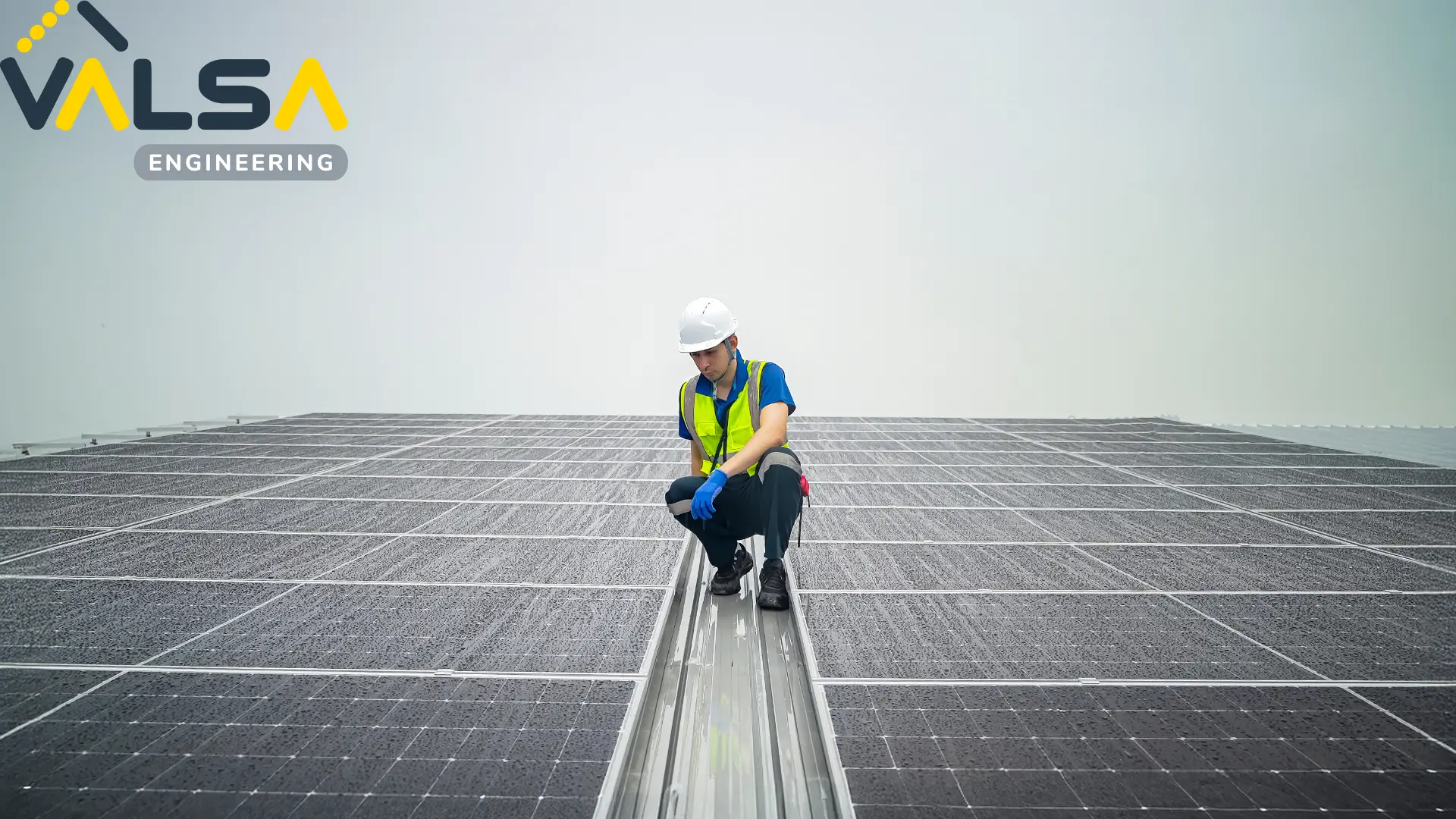
Engineered for South African conditions. Precisely designed for every roof type.
Did you know that South Africa has more than 16 different types of roof sheeting? That’s why the solar panel mounting brackets you choose can make or break an installation. In a country with such diverse roof profiles, “one-size-fits-all” simply doesn’t work.
Using the wrong bracket doesn’t just slow down installation – it can compromise your structure, cause leaks, increase costs, and shorten your system’s lifespan.
Fact: The wrong type of structure can also damage your solar panels over time, especially under high wind or uneven load conditions.
At Valsa Engineering, we design and manufacture locally engineered brackets for every major roof sheeting profile. This guide explains why choosing the right bracket matters, highlights common selection challenges in the industry, and shows how to get it right the first time with solutions built for South African conditions.
- 16+ Roof Sheet Types
- SANS 10160 Tested
- Locally Manufactured
Why the Right Solar Panel Mounting Bracket Matters?
Correct bracket choice for your solar panel mounting determines structural performance and project compliance. Getting this decision right ensures:
- Secure installation – Panels remain stable under high wind uplift and variable weather.
- Roof protection – Proper fit prevents sheeting damage and water leakage.
- Efficiency – Correct positioning keeps panels aligned for optimal performance.
- Cost savings – Fewer call backs, less rework, and longer lifespan.
Each bracket must balance load strength, sheet compatibility, and SANS 10160-compliant performance.
That’s where engineering precision makes all the difference.
Key Bracket Selection Challenges (and How to Avoid Them)
- Saflok, Kliplok, and Springlok Confusion
Saflok and Springlok roof sheets may appear similar at first glance, both are concealed-fix profiles with clean lines and minimal rib height, but they differ significantly in geometry and clip engagement design.
These differences affect how the solar panel mounting bracket interfaces with the roof, which in turn influences pull-out strength, watertightness, and overall system reliability.

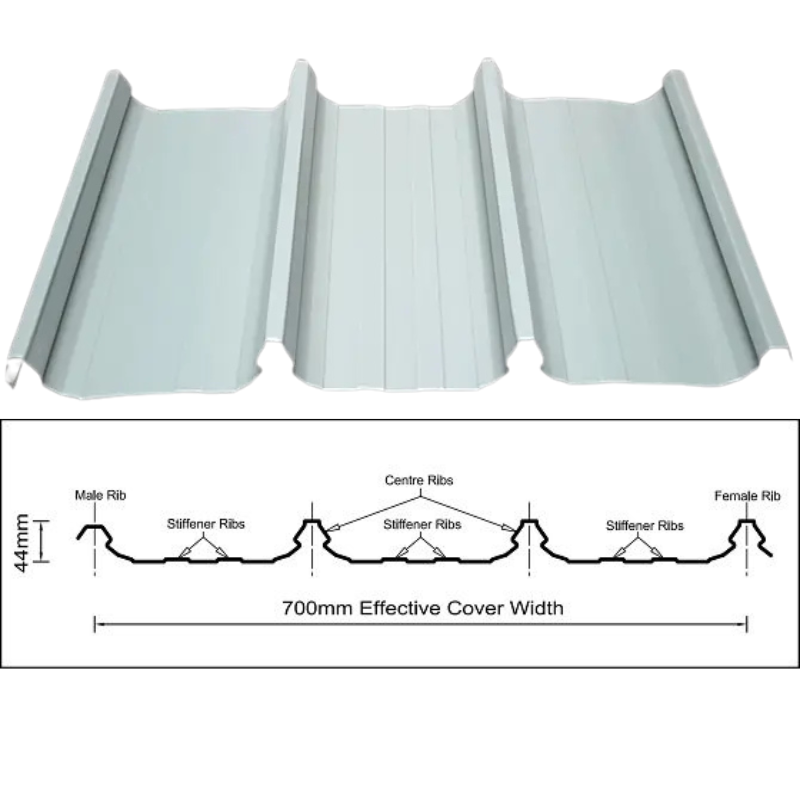
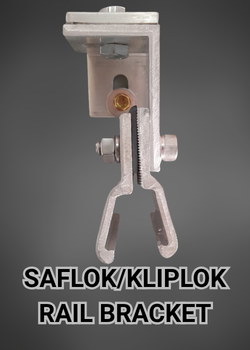
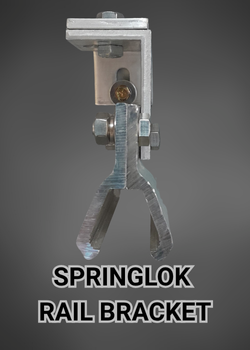
To simplify installations, Valsa’s Saf-Klip solar panel mounting bracket is engineered to suits both Saflok and Kliplok profiles, providing a precise, non-penetrating fit that maintains the roof’s integrity. Springlok roof sheeting, however, needs a unique dedicated bracket, its unique profile demands an exact match for correct engagement and weatherproof sealing. That is why Valsa’s Springlok bracket was specifically developed and officially endorsed by Youngman Roofing and Sheet Metal Works for its excellent fit, durability, and long-term solar mounting performance on Springlok profiles.
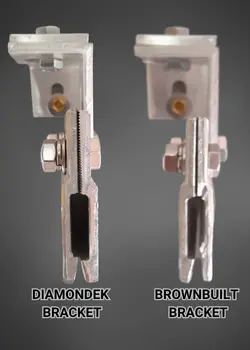
- Brownbuilt vs Diamondek
At a glance, Brownbuilt and Diamondek roof sheets may look nearly identical, which often leads to mix-ups on-site. However, their rib geometry, pitch, and overall height differ enough to make a major impact on how a solar bracket interfaces with the sheet. Even a small mismatch in profile contact can cause poor load distribution, reduced structural pull-out performance, potential water pooling, and an overall shortened system lifespan.
That’s why Valsa Engineering designs and manufactures dedicated solar panel mounting brackets for each of these roof profiles. These brackets are engineered to fit precisely over the rib, maintaining uniform compression, optimal sealing, and consistent pull-out strength under South African wind loading conditions. These sheets may look similar, but their profiles differ, and each requires a specific solar mounting solution to guarantee secure, leak-free, and lasting performance.
- IBR vs Wide-Deck
IBR and Wide-Deck roofs may seem similar in shape, but their profiles perform very differently when it comes to solar mounting. Selecting the correct system ensures that panels align securely, maintain even load transfer, and avoid long-term fatigue on the roof sheet or fasteners.

- IBR Universal Bracket – a rail-based system designed for versatility. It allows flexible orientation of solar panels across purlin lines, making it ideal for projects with irregular layouts or complex roof geometry. The adjustable design helps optimize module placement and energy yield while maintaining a watertight seal.
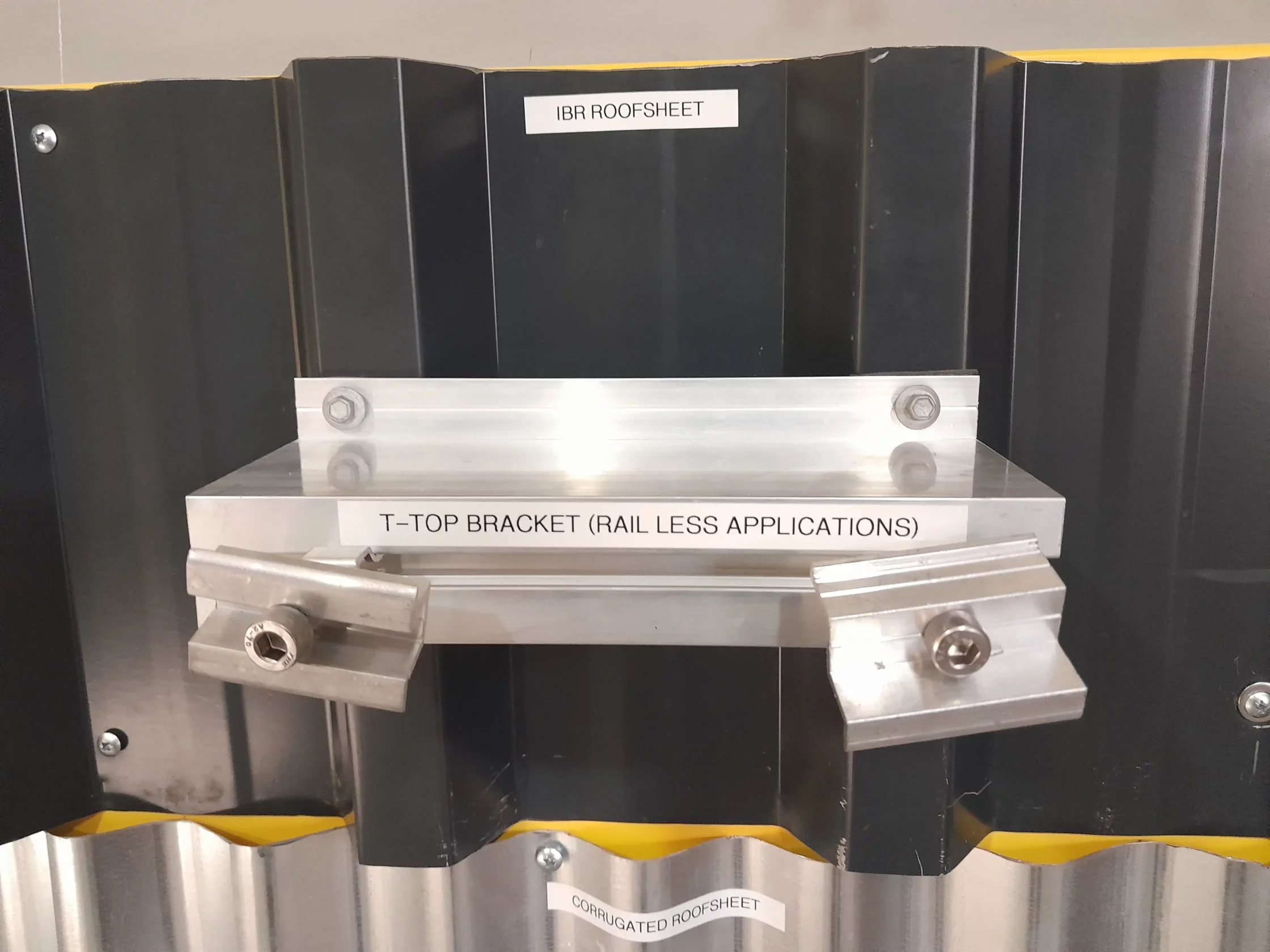
- IBR T-Top Bracket – a railless system developed for faster, more cost effective installations. By attaching directly to the sheeting, it reduces both material requirements and installation time while maintaining reliable structural strength. This bracket is best suited for roofs with consistent purlin alignment and strong sheet support.
Both of these systems are purpose-engineered for IBR roof sheeting, giving installers flexibility to balance cost, speed, and project design needs.
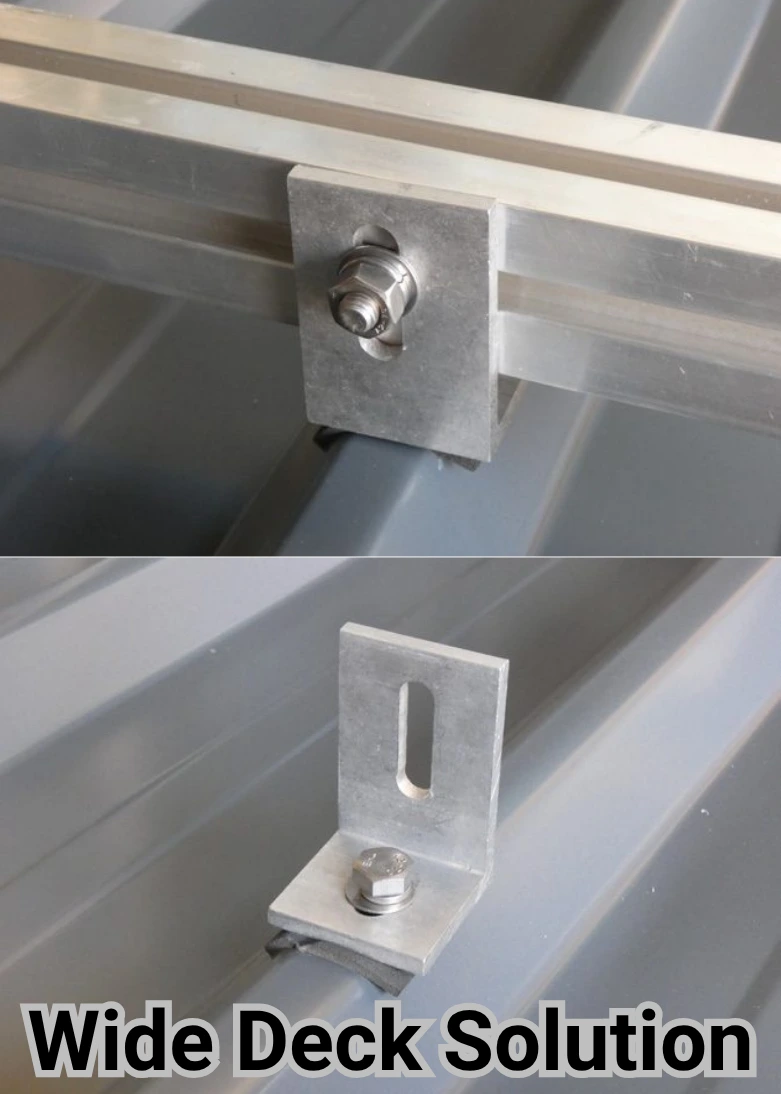
However, Wide-Deck sheeting has a different rib profile and cannot use either of the IBR bracket systems. It requires a custom-engineered mounting solution to ensure proper engagement and watertight performance. Valsa Engineering’s design team works directly with installers and project developers to tailor the right bracket configuration for each Wide-Deck roof, ensuring secure installation and long-term durability under South African conditions.
Match the Bracket to the Roof Sheeting
| Roof Type | Compatible Valsa Bracket(s) | Key Notes |
| IBR Sheeting | IBR Universal Bracket / IBR T-Top Bracket | Choose rail or railless based on project speed & layout. |
| Corrugated Sheeting | Corrugated Mount Clamp | Rail-based system ensures stability and correct tilt. |
| Saflok / Kliplok Concealed Fix | Universal Concealed Fix Clamp | Prevents leaks; no sheet penetration. |
| Springlok | Springlok Clamp (Specific Design) | Unique profile requires custom engagement. |
| Diamondek / Brownbuilt | Dedicated Profile Bracket for each sheeting | Tailored fit for rib height and spacing. |
| Wide Deck | Custom Bracket Design (Engineering Required) | Consult Valsa Engineering for design support. |
The Valsa Advantage
Each roof profile has its own geometry, spacing, and load pattern. Matching the correct bracket ensures structural safety, watertightness, and compliance with SANS 10160 loading conditions.
- Local Expertise: All products are designed, engineered, and manufactured in South Africa for South African roofs.
- Proven Reliability: Every bracket is tested for pull-out strength, load resistance, and material durability.
- Stock Availability: Manufactured locally = short lead times and consistent supply.
- Versatility: Full range of rail-based and railless systems for commercial, industrial, and residential installations.
Whether you’re mounting panels on IBR, Kliplok, or custom sheeting, Valsa Engineering delivers the precision and support that keeps your project on schedule and up to spec.
Quick Pre-Installation Checklist
Before ordering or installing your brackets, confirm:
- Roof sheeting type and thickness
- Purlin spacing and orientation
- Exposure zone (wind category)
- Solar panel frame type and thickness
- Preferred system (railless vs rail-based)
Need guidance? Our engineering team can assess your drawings or site photos and recommend the optimal configuration. Contact us and get your right solar panel mounting bracket.
Frequently Asked Questions About Solar Panel Mounting Brackets
Q1: Which bracket is best for IBR roofs in South Africa?
A: Both the Valsa IBR Universal Bracket and the IBR T-Top Bracket are engineered for IBR sheeting, but each suits different project conditions.
The IBR Universal Bracket is a rail-based system that can be installed in multiple directions, giving installers flexibility to optimize layout and module efficiency – ideal for projects with varied purlin spacing or roof orientation.
The IBR T-Top Bracket, on the other hand, is a railless solution designed for fast installation, reduced material use, and a clean, low-profile finish without compromising strength. It’s perfect for strong, well-aligned structures, but it can also be installed along the full rail length in cases where the IBR sheeting or substructure is weaker, providing additional support and load distribution.
Q2: Can one bracket fit multiple concealed-fix sheets?
A: Not all concealed-fix roof profiles are compatible with a single bracket. However, Valsa’s Saf-Klip is uniquely designed to suit both Saflok and Kliplok sheeting profiles, offering installers flexibility and simplicity during installation.
It grips securely without penetrating the roof sheet, ensuring a watertight seal and consistent pull-out performance.
For Springlok profiles, though, a dedicated clamp is essential – its geometry and engagement mechanism differ, so using the correct bracket prevents misalignment, leakage, and warranty issues. That’s why Valsa engineered and manufactured the Valsa Springlok Bracket. Purpose built for this profile to ensure a perfect fit, watertight seal, and long term structural reliability.
Q3: Are Valsa’s brackets compliant with South African standards?
A: Yes – All Valsa Engineering solar panel mounting brackets are designed, tested, and validated according to SANS 10160 loading conditions, which define structural performance under South African environmental stresses such as wind uplift and live loads.
Valsa operates an in-house testing laboratory, where our engineering team performs pull-out, shear, and compression tests to verify real-world performance and substructure integrity. This ensures every product meets or exceeds the mechanical strength required for long-term solar installations.
By manufacturing locally, Valsa ensures material traceability, consistent quality control, and full compliance with engineering best practices.
In addition, our solar panel mounting brackets are endorsed by leading South African roof sheeting manufacturers including, but not limited to Safintra, Clotan Steel, and Youngman Roofing, confirming compatibility and installation integrity across a wide range of concealed fix and IBR profiles.
Q4: How do clamping zones affect wind load?
A: Clamping zones are critical to the overall performance and safety of a solar installation. Each panel manufacturer defines specific clamping zones – areas on the module frame designed to handle mechanical stress and wind uplift.
Mounting brackets placed outside these zones can cause uneven pressure distribution, leading to panel frame distortion, reduced lifespan, or even detachment during high winds. Valsa brackets are engineered to align precisely with the manufacturer’s recommended clamping zones, ensuring even load transfer and maintaining both structural integrity and module warranties.
Important: Installing solar panels outside the specified clamping zones voids the manufacturer’s warranty and may affect insurance claims or compliance with installation standards.
Q5: Can I order brackets directly from Valsa Engineering?
A: Yes – Valsa Engineering supplies directly to solar installers, EPCs, distributors, and project developers across South Africa and Africa. We maintain consistent local stock holding of our most popular roof brackets, including Domestic Tile Roof, IBR, Kliplok, and Corrugated systems – enabling quick turnaround times and minimal lead delays.
Our technical team also offers expert advice on roof profile identification, bracket selection, and system layout optimization to help you achieve the best possible yield and long-term structural performance for your installation.
Choosing the correct solar panel mounting brackets is just as critical as selecting your solar panels.
By matching the bracket precisely to your roof sheeting type, you protect your investment, extend system life, and ensure superior performance. At Valsa Engineering, we combine local manufacturing, engineering expertise, and tested performance to keep every installation strong, compliant, and reliable.
Need help identifying your roof type?
Contact Valsa Engineering today – our team will help you choose the right bracket and deliver it fast.


